
Ever feel like your crypto wallet is a bit of a black box? I mean, you open it up, and bam—there’s your SOL tokens, staking options, DeFi apps, but what’s really going on behind the scenes? Something felt off about the way some wallets handle validator selection on Solana. It’s like, you trust your money there, but do you really know who’s validating your stakes? Hmm…
Okay, so check this out—validator selection isn’t just a technical footnote. It shapes your entire staking experience, from rewards to security. And for those of us deep in the Solana ecosystem, it’s a very very important point that often gets overlooked. I started digging into browser extension wallets that support Solana staking, and man, the choices can be overwhelming.
At first, I thought any wallet that supports staking would do, but then I realized that the way wallets expose validator options—or worse, hide them—can seriously affect your returns and risk. Here’s the thing: some wallets default to validators that might not be the best fit for your goals, whether that’s decentralization, reliability, or just plain trustworthiness.
So, naturally, I wanted to find a wallet that not only lets me manage SOL but also gives me control over which validators I stake with. And yeah, browser extension wallets are super convenient for jumping between staking and DeFi apps without fuss. But which one actually nails the balance?
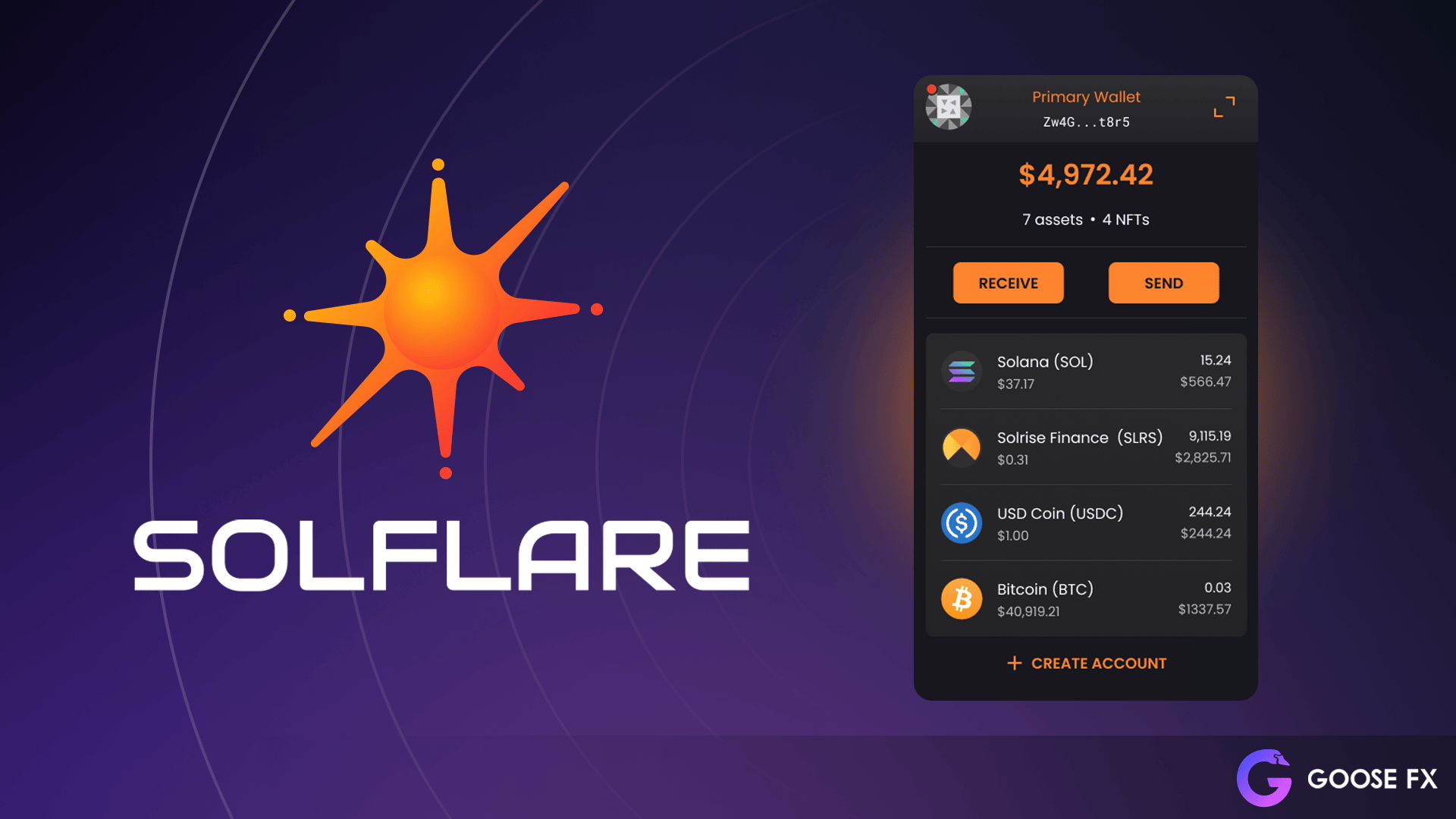
Whoa! That’s where Solflare comes in. I wasn’t expecting much at first, but after trying it out, I found it impressively user-friendly and transparent about validator selection. If you haven’t already, check out the solflare wallet download page—they make it super easy to get started.
Validator Selection: More Than Just a Checkbox
At surface level, picking a validator sounds straightforward—just pick one, stake your SOL, and watch rewards roll in, right? Not quite. Validators differ in uptime, commission fees, and how they contribute to Solana’s decentralization. Initially, I assumed all validators were roughly equal, but that’s just not true.
One hand, you want a validator that’s reliable—no downtime, solid track record. On the other, you want fair commission fees so you don’t give away too much of your rewards. And then there’s the decentralization angle: if too many folks pick the same validators, the network’s security weakens. So, your choice actually impacts the whole Solana ecosystem.
Here’s where many wallets drop the ball—they either auto-select validators or offer a clunky list that’s hard to navigate. I remember wrestling with some wallets where the validator info was buried under layers of menus. It feels like a trust exercise with incomplete data.
Solflare bucks that trend with a clean interface that highlights validator stats upfront—commission, uptime, total stake, and even recent performance. That transparency made me feel more confident, though I’m biased since I prefer wallets that don’t make me guess where my stake is going.
Plus, the fact that you can filter and compare validators without leaving the browser is a game-changer. Seriously, it’s those little UX wins that make a big difference when managing crypto assets.
Browser Extension Wallets: Convenience Meets Security
Browser extensions in crypto are a double-edged sword. On one side, they provide instant access to your tokens and DeFi apps—no clunky app store downloads, no switching devices. On the flip side, they can be vulnerable if not designed carefully. I’m always cautious about where I enter my seed phrases or approve transactions.
Solflare’s browser extension impressed me because it strikes a good balance. They’ve put serious thought into security without sacrificing convenience. For instance, their extension supports hardware wallet integration, so you can keep your keys offline while still interacting smoothly with the Solana network.
Something I appreciate is their commitment to open source transparency. You can actually peek under the hood if you want, which isn’t something every wallet offers. That eases my gut feeling about potential backdoors or shady validator partnerships.
Now, I won’t say it’s bulletproof—no wallet is. But the risk mitigation measures here feel solid, especially for users who want to stake SOL directly from their browsers.
By the way, if you want to skip the hassle of hunting down trustworthy wallet links, the solflare wallet download page is a reliable starting point. Always double-check URLs in crypto, because phishing is a real pain.
Staking on Solana: What I Learned the Hard Way
Here’s something that bugs me. A while back, I staked SOL using a wallet that defaulted me to a validator with high commission and spotty uptime. I didn’t realize it until my rewards were way lower than expected. Honestly, it felt like a sucker punch—staking is supposed to be passive income, right? But if your validator’s not pulling its weight, you get shortchanged.
So, I took a step back and started manually choosing validators, which was tricky at first. I sifted through validator profiles, read community feedback, and learned to weigh trade-offs. It’s a little like picking a financial advisor—you want someone trustworthy, transparent, and aligned with your goals.
Solflare’s approach helped a ton here. The built-in validator explorer and filtering tools made my decision less guesswork and more informed. I could spot validators with low commissions and great track records, which boosted my staking rewards noticeably.
Oh, and by the way, if you’re into DeFi on Solana, having your wallet connected seamlessly to those apps is crucial. Solflare’s browser extension handles this like a champ, letting me switch between staking and DeFi protocols without hiccups.
Initially, I thought staking complexity would keep casual users away. But wallets like Solflare prove that with the right design, you don’t have to be a blockchain geek to stake smart.
Some Final Thoughts and a Bit of Skepticism
Now, I’m not 100% sure that one wallet or validator setup is perfect for everyone. On one hand, Solflare feels like the top choice for US-based Solana users wanting a solid browser extension with clear validator options. Though actually, there are plenty of other wallets out there, and some might fit niche needs better.
Still, I’m cautious about wallets that promise too much or obscure validator info. Transparency isn’t just a buzzword—it’s essential for trust in crypto. And wallet convenience should never come at the cost of security or control.
If you’re dipping toes into Solana staking or DeFi, I’d recommend starting with a wallet that respects both. For me, that’s Solflare. You can find the solflare wallet download page handy for quick setup.
Anyway, this whole validator selection thing? It’s more than a checkbox. It’s about owning your crypto journey, understanding risks, and making your SOL work as hard as you do. And yeah, there’s a learning curve, but hey—what in crypto isn’t a little wild?
Quick FAQs About Solana Wallet Validators
Why should I care about the validator I choose?
Because validators affect your staking rewards and the network’s security. Choosing reliable ones with fair fees maximizes returns and supports Solana’s decentralization.
Can I change validators after staking?
Yes, but it usually requires unstaking and restaking, which might involve lockup periods. Wallets like Solflare make this process clearer and more manageable.
Is a browser extension wallet safe for staking?
When properly designed with security features like hardware wallet integration and transparent code, yes. But always be cautious and use trusted sources for downloads.